
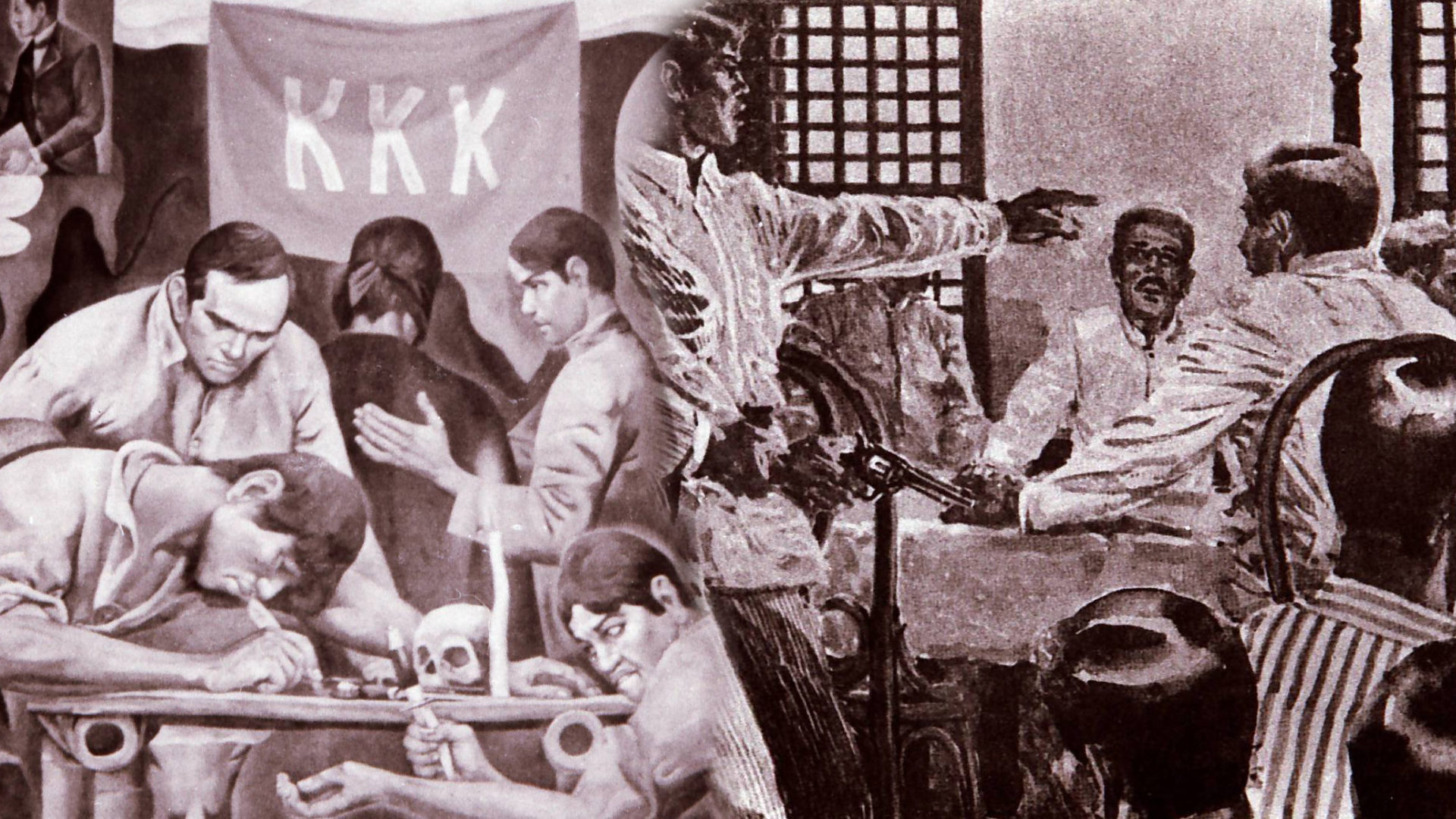
One controversial issue during the revolution was the strained relationship between Emilio Aguinaldo and Andres Bonifacio.
But the relationship between these revolutionary leaders turned heroes started really well – they were very cordial. In fact, the Supremo, Andres Bonifacio, initiated Aguinaldo’s entry into the Katipunan. As a Katipunero, Aguinaldo became an active organizer of KKK in Cavite and became flag lieutenant of the Magdalo Council.
Successive victories in the battlefield established Aguinaldo as the undisputed leader of the Philippine revolution. At around the same time, Bonifacio was unsuccessful in wresting control of Manila from the Spaniards. Upon the invitation of the Magdiwang council (allied with Bonifacio), Bonifacio visited Cavite to witness the victories of the Magdiwang and Magdalo groups in the province.
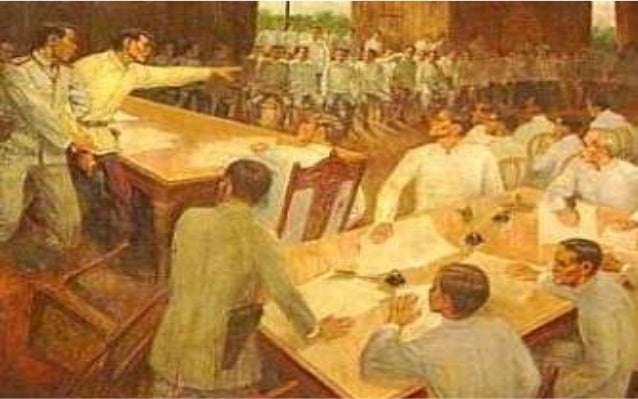
Baldomero Aguinaldo then invited Bonifacio to attend the Katipunan Assembly in Imus late December 1896 to discuss the possibility of establishing a revolutionary government. The Magdiwang group was only open to conduct elections for lower-rank officers as they wanted the presidency reserved for Bonifacio. However, at that time, Emilio Aguinaldo was already prepared to nominate and elect Edilberto Evangelista as president of the revolutionary government. The Magdiwang group disagreed. In the middle of the heated discussion, the Rizal family arrived and interrupted the meeting with the announcement of Rizal’s death. The meeting ended without resolving the leadership issues. These leadership issues remained until the Tejeros Convention on March 22, 1897.
This is where the conflicts (and various issues that remain controversial at present) between Aguinaldo and Bonifacio arose.
|

|

|
|